Clarkson’s Hopke Distinguished Lecture to Focus on Climate, Archaeology and Long-Term Human Resilience
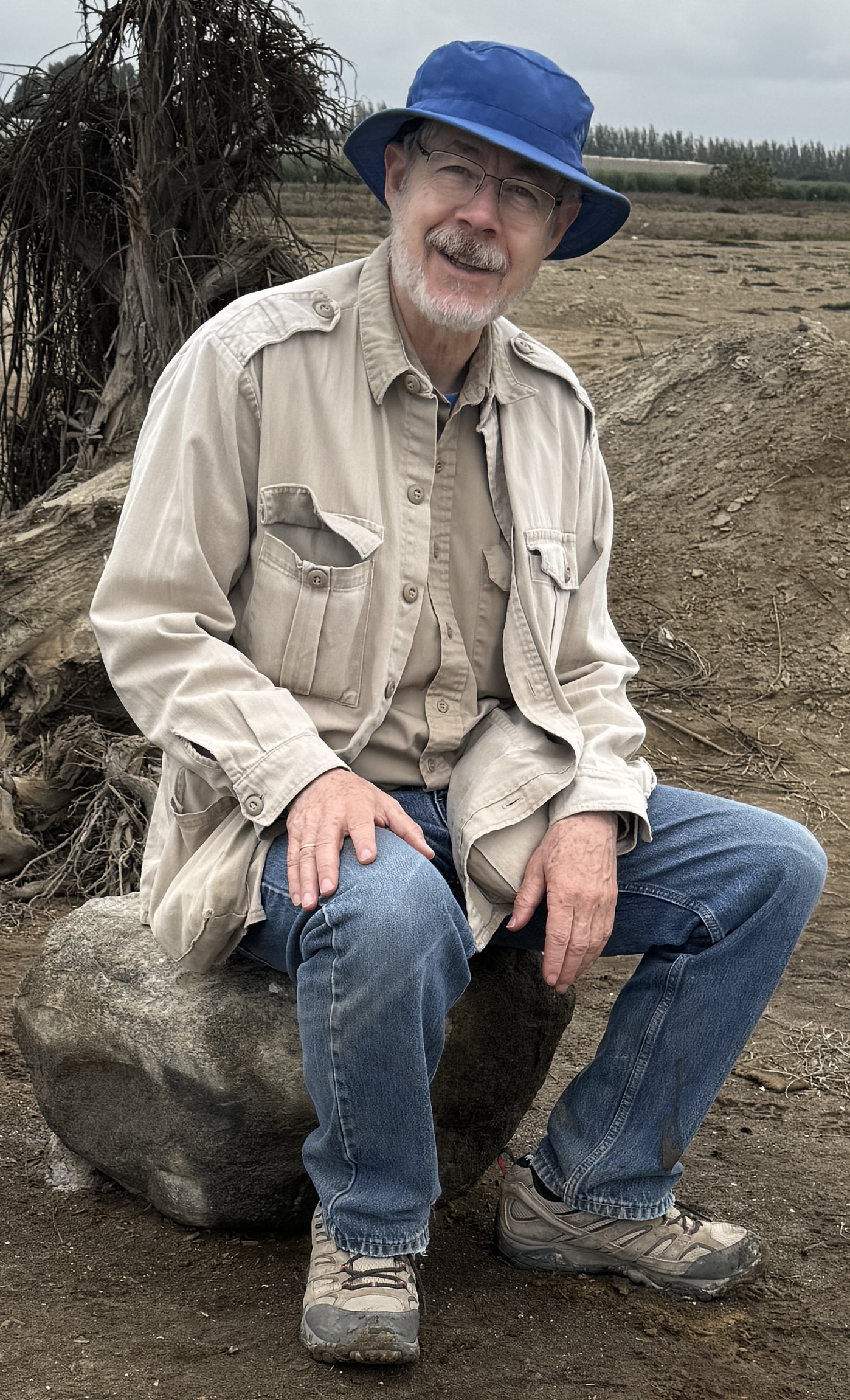
The public is invited to attend Clarkson University’s 2026 Hopke Distinguished Lecture featuring Dan Sandweiss, Libra Professor of Anthropology and Climate Studies and interim director of the Climate Change Institute at the University of Maine.
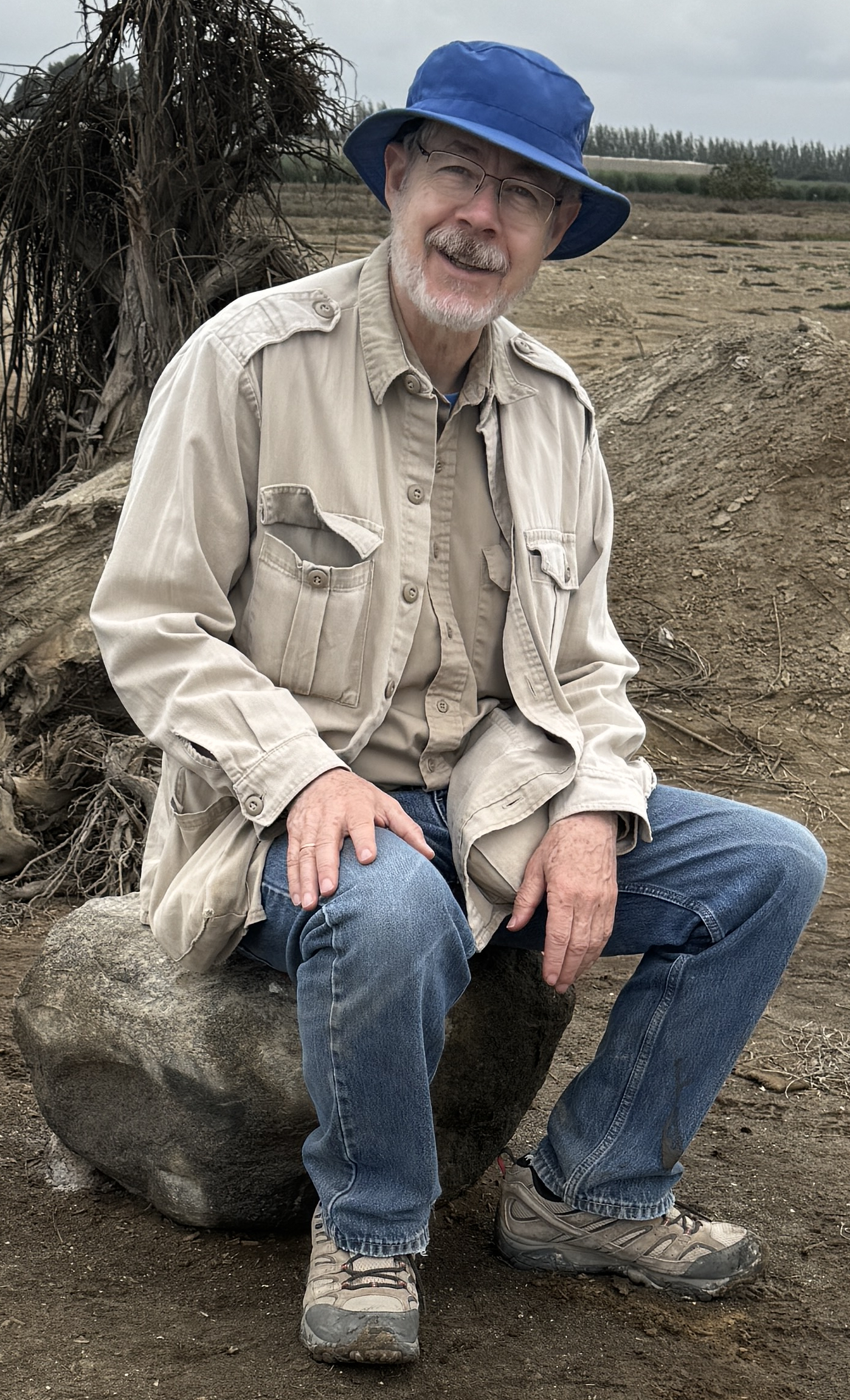
Sandweiss will present “El Niño: Stress and Resilience on the Coast of Peru” at 4 p.m. Thursday, March 26, in the University Student Center Multipurpose Rooms (second floor). A reception will precede the lecture at 3:30 p.m. The event is free and open to the public.
An archaeologist whose research focuses on western South America, particularly the Peruvian coast, Sandweiss studies how climate change — especially El Niño events — has shaped maritime adaptations and human resilience in the region’s prehistory. His work also explores how climatic data can be extracted from the archaeological record and how environmental change influenced past societies.
Sandweiss has published more than 80 peer-reviewed articles and book chapters and has co-edited three books. He is the founding editor of Andean Past and serves on the editorial board of the Proceedings of the National Academy of Sciences of the United States of America, among other journals.
In 2024, Sandweiss was elected to the U.S. National Academy of Sciences. He is also a fellow of the Geological Society of America and the American Association for the Advancement of Science and recently completed a term as president of the Society for American Archaeology.
The annual Hopke Distinguished Lecture is supported by the Philip K. and Eleanor F. Hopke Endowment for Clarkson’s Institute for a Sustainable Environment. The Hopkes have supported the Clarkson community since 1989. Philip K. Hopke is Bayard D. Clarkson Distinguished Professor Emeritus at Clarkson University and an adjunct faculty member at the University of Rochester.
The lecture series brings internationally recognized researchers to Clarkson who have made significant contributions to understanding environmental challenges and applying scientific knowledge to inform policy and benefit society.
Clarkson University encourages community members, students and faculty to attend this lecture exploring the intersection of climate, archaeology and long-term human resilience.